Watches Explained: Levels by Davidson & Licht
September 15th, 2026

Shopping for a watch can be difficult when trying to understand why two timepieces that look relatively similar can have dramatically different prices. As jewelers, we at Davidson & Licht in Walnut Creek, know that the difference often goes far beyond the name printed on the dial. Materials, movement construction, finishing, craftsmanship, brand heritage, durability, and the overall ownership experience can all influence where a watch sits within the broader market.
We find that thinking about watches in levels can make the shopping process much easier. You can organize watch levels by quality, purpose, craftsmanship, materials, movement complexity, and brand positioning. These levels are not meant to create a rigid ranking system. Instead, they offer a practical way to understand what you are paying for and decide which type of watch best fits your lifestyle and expectations.
Whether you are purchasing your first watch, upgrading an everyday timepiece, or looking for a luxury piece to commemorate an important milestone, understanding these distinctions can help you shop with greater confidence.
What Are the Different Levels of Watches as Presented by Davidson & Licht?
You can generally distinguish the different levels of watches by looking at quality, intended purpose, craftsmanship, materials, movement, and brand positioning. At the most approachable level, watches are typically designed around dependable everyday use and accessible pricing. As you move upward, you may encounter better materials, more sophisticated movements, finer finishing, stronger brand heritage, and greater attention to individual details.
At the higher end of the market, a watch can become much more than a tool for telling time. Mechanical expertise, recognizable design language, rarity, finishing, and a brand's history can all contribute to the appeal. The best way to think about these levels is not simply as "better" and "worse," but as different combinations of features and priorities.
This distinction matters because the most expensive watch is not automatically the right watch for every buyer. Someone who wants a dependable timepiece for travel and everyday wear may prioritize durability and practicality, while another customer may place greater importance on a mechanical movement, exceptional finishing, or the heritage associated with a particular manufacture.
Why Watch Levels Matter Before You Buy
Understanding watch levels can make an otherwise overwhelming shopping experience considerably easier. With so many brands, movements, materials, complications, and designs available, it is easy to focus on appearance alone. While aesthetics are certainly important, a watch's construction and intended purpose deserve equal consideration.
When we work with customers at Davidson & Licht, we encourage them to think about what they actually want from their timepiece. Will it be worn every day? Is it primarily for professional settings? Will it accompany the wearer while traveling? Is it intended to commemorate a milestone or become the foundation of a collection?
Answering these questions helps narrow the field and makes it easier to compare watches with similar prices and features. A buyer may discover that a simpler watch with excellent durability is a better fit than a more complicated model, or that investing in a higher level makes sense because the watch will become a meaningful part of their collection.
Understanding watch levels can also make conversations with a knowledgeable jeweler or watch specialist more productive and focused. Rather than shopping based only on a dial color or case shape, you can discuss movement type, materials, service requirements, comfort, design, and long-term ownership.
Entry-Level and Everyday Watches
Entry-level and everyday watches are often where many people begin their watch-ownership journey. These timepieces are generally designed to provide dependable timekeeping, approachable styling, and practical features without requiring a significant investment.
For a first-time buyer, this level can be an excellent introduction to understanding which watch features and proportions suit your preferences. You might discover that you prefer a smaller case, a metal bracelet, a leather strap, a simple dial, or additional features such as a date display or chronograph. Casual wearers can also benefit from this category when they want a reliable timepiece that can transition easily between different parts of their day.
At this level, it is worth distinguishing between fashion-driven designs and watches developed with a stronger emphasis on horological construction. While a fashionable watch may appeal because of its appearance or connection to a particular style trend, a watch-focused brand typically emphasizes the movement, case construction, legibility, durability, and serviceability.
Comfort is another consideration that should not be overlooked. A watch can have an attractive dial, but if the case feels too large or the bracelet does not sit comfortably on the wrist, it may not become a piece you enjoy wearing. Water resistance, strap quality, clasp construction, and the availability of future service should also be part of the conversation.
For shoppers looking for a versatile gift or a dependable first watch, this level can offer plenty of value without requiring the complexity of a luxury purchase.

Mid-Level Watches With Stronger Craftsmanship
As you move into the mid-level category, the improvements in materials, finishing, and overall construction can become more noticeable. Cases may have more refined profiles, dials can feature greater depth and detail, and bracelets and clasps may feel substantially more substantial on the wrist.
This is often where buyers begin looking beyond simple functionality and thinking more carefully about the experience of owning a watch. A professional may want a timepiece that looks polished in the office while remaining versatile enough for weekends. Someone upgrading from a basic watch may want better materials and a design that stays relevant for years.
Details such as sapphire crystal can become important at this stage. Sapphire is highly scratch-resistant and is commonly used in quality watches where durability and long-term appearance are priorities. The quality of the stainless steel, bracelet articulation, clasp, dial finishing, and case finishing can also influence how a watch feels and wears.
Movement choice becomes another major consideration. Quartz movements are known for accuracy and convenience, while automatic and mechanical movements introduce a different kind of appeal. An automatic watch uses the motion of the wearer's wrist to help power the movement, while a traditional mechanical movement is wound manually. Neither is inherently right for everyone; the choice depends on whether the buyer prioritizes convenience, mechanical interest, traditional watchmaking, or a combination of these qualities. For many shoppers, this level represents an appealing balance between practicality and personal style.
What Separates Luxury Watches From Standard Watches?
Luxury watches typically stand apart through a combination of craftsmanship, materials, movement quality, finishing, brand identity, heritage, and ownership experience. The distinction is not always visible at first glance. Two watches can both feature stainless-steel cases and similar dial layouts, yet differ significantly in how their movements are constructed, how their cases are finished, or how carefully individual components are produced and assembled.
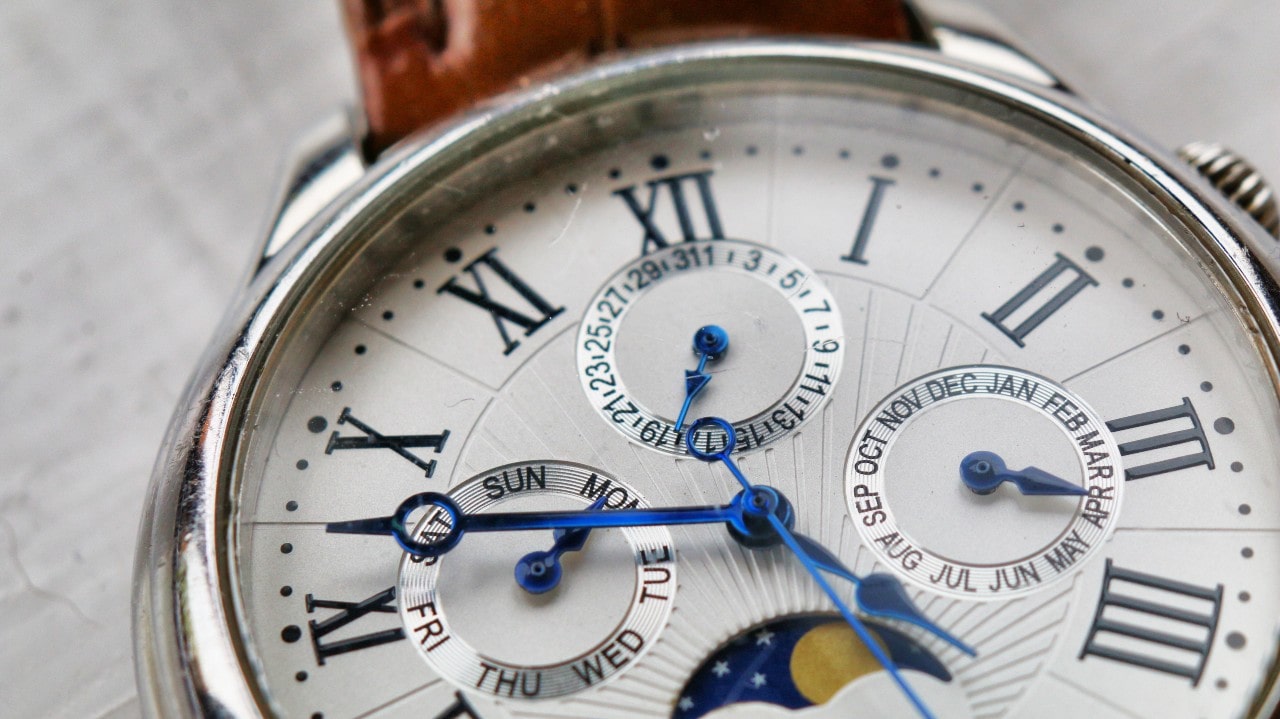
Movement quality is one of the most important areas to consider. In a luxury mechanical watch, the movement can represent years of engineering, testing, and watchmaking expertise. Depending on the model, you may encounter additional complications, specialized functions, decorative finishing, or carefully regulated performance.
Case and bracelet construction also matter. Luxury watchmaking can involve polished and brushed surfaces that meet with precision, carefully finished edges, detailed dials, applied markers, and bracelets designed to feel smooth and substantial on the wrist. These are details that can be appreciated more with time, particularly when you handle and wear the watch regularly.
Brand heritage contributes another dimension. A respected watchmaker may have a distinctive design language that has developed over decades or even centuries. Certain model families can become recognizable signatures, giving owners a connection to a broader history of watchmaking.
Finally, luxury ownership is about more than the watch itself. Service availability, after-sales support, presentation, expertise, and the relationship with an authorized jeweler can all influence the ownership experience. These considerations matter most when you expect to wear and enjoy a timepiece for many years.
High Luxury and Prestige Watches
At the high-luxury and prestige level, craftsmanship and design refinement often become central to the buying decision. These watches may feature highly developed mechanical movements, iconic model families, precious materials, unusual complications, or finishing that requires significant time and expertise.
For experienced watch buyers and collectors, these technical and aesthetic details can be part of what makes a timepiece compelling. A movement may be appreciated not only for its function but also for its architecture, decoration, precision, and technical achievement. The case and dial may similarly demonstrate a level of finishing that rewards closer examination.
Heritage can become particularly important at this level, especially when a watch is connected to defining moments in horological history or a model family with a devoted collector following.Scarcity and availability can also influence desirability, although rarity alone does not determine whether a watch represents good value for a particular buyer.
This is one area where expert guidance can be especially useful. When a purchase involves a substantial investment, it helps to understand the story behind the watch, the technical details of its movement, the manufacturer's service considerations, and how the piece fits into the buyer's broader collection.
Expert guidance can be especially valuable when a prestige watch represents a substantial investment, helping buyers understand its history, movement, service considerations, and place within a broader collection. For someone marking a major milestone, a prestige watch can also carry an emotional significance that extends beyond its specifications. It can become a reminder of a career achievement, anniversary, retirement, graduation, or other moment worth remembering.
Choosing the Right Watch Level for Your Lifestyle
The right watch level is ultimately the one that makes sense for the person wearing it. Before deciding how much to spend, consider how and where you expect to wear the watch.
Will it be your everyday timepiece, or will it come out primarily for special occasions? If you plan to wear it constantly, durability, comfort, water resistance, and bracelet or strap construction may deserve greater attention. If the watch is intended for formal events, you may place more emphasis on proportions, finishing, and understated elegance.
It is also worth asking whether you are drawn to the simplicity of quartz or the mechanical character of an automatic or manually wound movement. Do you want something understated, or would you enjoy owning a recognizable luxury design? Are you buying your first serious watch, replacing an existing favorite, or adding a specific type of complication to a growing collection?
We always recommend trying watches on whenever possible. Case diameter alone doesn't tell the whole story because thickness, lug design, bracelet construction, and wrist shape can change how a watch wears. Comparing several watches side by side can reveal preferences that are difficult to recognize from photographs.
Think about your wardrobe, work environment, travel habits, and personal style, too. A beautiful watch becomes much more rewarding when it naturally fits into your everyday life.
Finally, ask about servicing. Every watch is a precision instrument, and understanding how to maintain it can help you make a more informed long-term decision.
Shop Incredible Watches for Every Budget at Davidson & Licht
At Davidson & Licht, we believe shopping for a watch should be about finding the right relationship between craftsmanship, function, design, and personal meaning. With a history dating back to 1916, our Walnut Creek showroom gives customers the opportunity to explore fine jewelry and timepieces while working with an expert team that can make the differences between watches easier to understand.
If you are shopping for bridal jewelry, you can also explore our vast selection of engagement rings and wedding bands. For customers who want something one-of-a-kind, our custom jewelry design services provide an opportunity to collaborate with our designers and create a unique piece.
When you are ready to compare watch levels in person, we invite you to visit our Walnut Creek jewelry store or contact us to begin the conversation.
The different levels of watches are ultimately a tool for making a more informed decision. They can help you understand why one timepiece emphasizes everyday practicality while another emphasizes mechanical craftsmanship, heritage, finishing, or collector appeal. The best watch is not necessarily the most complicated or expensive one. It is the watch that fits your lifestyle, reflects your taste, and delivers the level of craftsmanship and ownership experience you expect. At Davidson & Licht, we are here to help you make that choice with confidence.